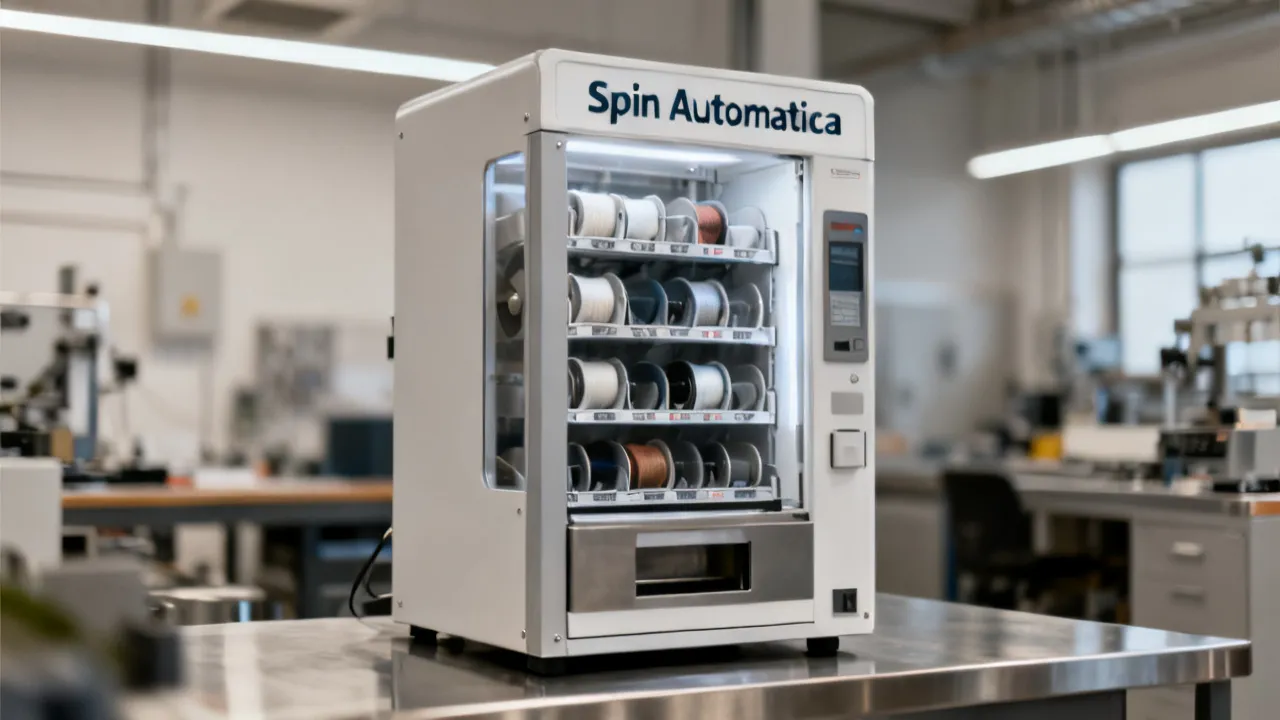
Spin Automatica is a compact, automation-oriented system concept focused on precise rotational processing and repeatable handling. This guide explains how these systems are typically evaluated—covering operational purpose, integration choices, supplier considerations, and practical price factors—while keeping technical discussion objective and grounded in common industry practices.
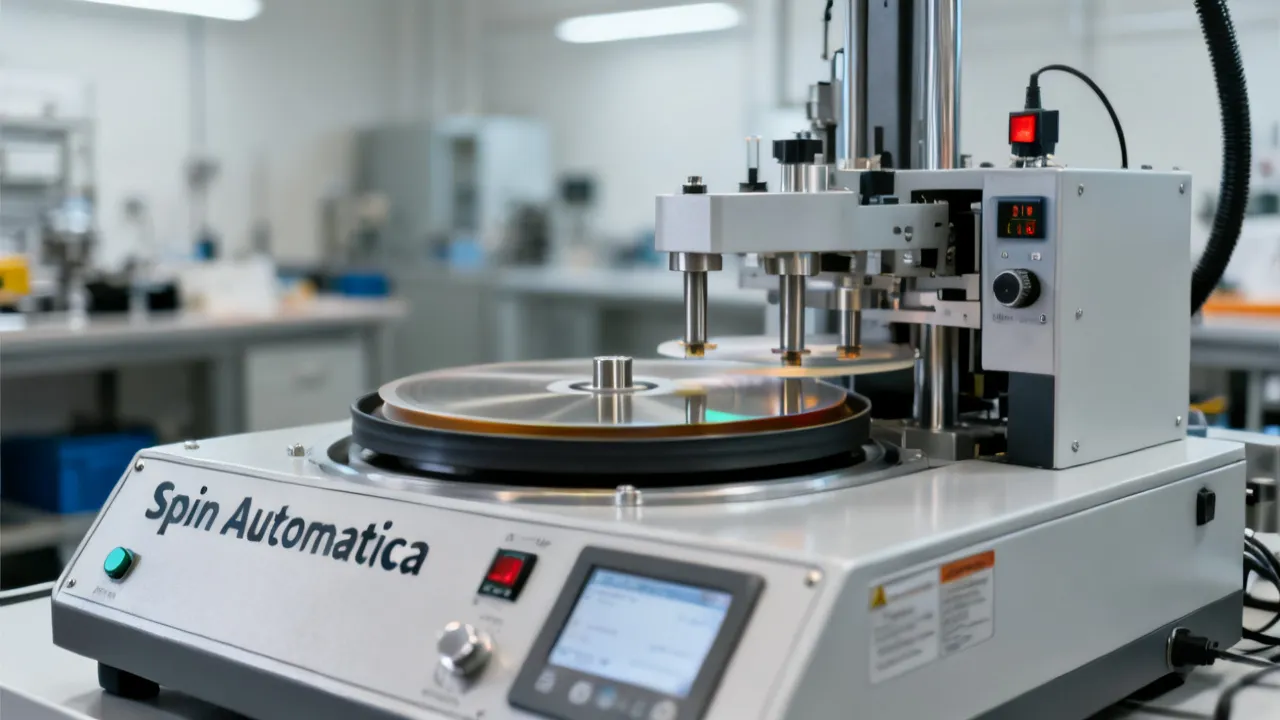
Spin Automatica systems are generally designed to deliver repeatable rotational processing and automated handling in industrial and laboratory workflows, where consistency and traceability are valued as much as throughput. In practical purchasing and integration decisions, the very important questions usually come first: What process is being automated? How is quality verified? What are the integration costs? and which supplier can support commissioning and lifecycle maintenance?
Because the term “Spin Automatica” can appear in different vendor catalogs—sometimes as a platform name, sometimes as a configuration line—your evaluation should focus on the functional specification rather than the label. That approach keeps decisions objective and reduces the risk of mismatched expectations.
In many plants, the difference between a successful and problematic automation rollout isn’t the spindle itself or the motor class—it’s how well the end-to-end process is engineered into a dependable workflow. That includes recipe governance, sensor instrumentation, safety interlocks, and the practical reality of keeping the system running day after day with predictable maintenance. When those factors align, a “spin + automation” system can become an enabling asset that reduces operator variability, improves yield, and supports audit-ready documentation. When those factors are not aligned, the system can behave like a technically impressive but operationally unpredictable component—something production teams dread because it introduces risk into otherwise stable lines.
In many manufacturing contexts, “spinning” refers to controlled rotation used for uniform material deposition, surface processing, curing assistance, or film-related handling. When automation is added—hence the “Automatica” framing—the system often includes one or more of the following: automated loading/unloading, recipe-based control, interlocks, sensors, and centralized logging for batch traceability. While exact hardware details vary, the underlying rationale is consistent: reduce variability, limit manual steps, and make process parameters easier to reproduce.
From an industry perspective, such systems are often compared along performance, maintainability, and integration effort. If you are planning procurement, you typically evaluate:
It also helps to recognize that “spin automation” can mean different levels of system maturity. Some deployments are essentially a motorized spin stage with basic interlocks and an operator-driven workflow. Others include a full robotic or semi-robotic handling ecosystem with magazine loading, camera-based alignment, vacuum chucks, environmental chambers, and detailed run records that tie each processed substrate to the exact recipe version used. The more complete the automation, the more important it becomes to define acceptance criteria across the entire workflow, not only the motion itself.
Additionally, the word “spinning” can cover several sub-process types. For example:
When evaluating Spin Automatica solutions, you want to clarify which of these “spinning” categories applies to your use case, and which related process variables are in-scope. That clarity improves the accuracy of requirements and prevents integration surprises later.
When buyers ask about price, they are rarely asking only “the sticker price.” Industry procurement normally treats total cost of ownership (TCO) as the real measure of affordability. For a Spin Automatica-style system, price typically reflects a combination of hardware, software, and support scope.
Key elements that commonly influence the price include:
Important: Without a confirmed vendor specification and configuration, assigning a specific numeric price would be speculative. In professional buying cycles, pricing is top determined through a structured quotation process that clarifies options, integration boundaries, and support terms. If your supplier provides a quote, request a line-item breakdown so you can compare like-for-like.
To make pricing discussions more productive, it’s often helpful to convert “scope” into “what you will receive.” For example, rather than asking “How much for the system?” you can ask:
Finally, many teams underestimate the cost of “slow debugging.” Even if hardware is correct, missing data instrumentation, unclear recipe interpretation, or insufficient safety integration can cause commissioning cycles to extend. Extended commissioning is often where price differences become less visible but TCO impact becomes substantial.
Because Spin Automatica solutions are often integrated into higher-level production systems, the supplier’s role extends beyond hardware delivery. An experienced supplier can reduce risk by delivering correct installation parameters and by supporting qualification steps.
When evaluating supplier details, consider whether the supplier can provide:
Supplier evaluation should also include less visible attributes that correlate strongly with long-term success:
Even when multiple suppliers offer similar “spin + automation” concepts, the top fit is usually the one with transparent documentation and a realistic service plan. If a supplier avoids defining acceptance criteria and provides only high-level claims, it usually indicates hidden effort later.
From an expert viewpoint, the success of a Spin Automatica system often depends more on method discipline than on hardware alone. The system should be treated as a controlled process tool, and you should establish stable operating routines.
In practice, “operational top practices” means aligning three domains:
Because automated spinning processes can be sensitive to small deviations—like a slight vacuum leak, a changed dispense time, a contaminated chuck surface, or a drift in temperature control—teams should adopt “closed-loop” thinking. That means each alarm or deviation should lead to defined diagnostic actions, and each diagnostic action should either return the system to baseline or trigger a controlled hold-and-review process.
To make this flow more actionable, consider what “qualification” typically includes beyond just verifying motion. Qualification often involves:
Also, recipe “locking” is not merely a software feature; it’s a governance habit. The goal is to prevent accidental drift—such as an operator selecting a modified recipe without traceability—while still allowing controlled changes when process improvement is needed. That is why versioning, change approvals, and audit logs are critical features to request and to verify during demonstration.
Procurement teams often overlook constraints that later create delays. Ensure the following are addressed during pre-purchase discovery or commissioning planning.
More detail in these categories can prevent the most common integration bottlenecks. For example:
One practical approach is to create a “constraints matrix” during quotation. The matrix lists each constraint (facility, material, environment, data, safety, maintenance) and includes columns for: “Vendor responsibility,” “Customer responsibility,” “Evidence delivered,” and “Acceptance criteria.” This structure makes it easier to avoid gaps and to hold each party accountable.
In regional procurement, buyers frequently balance equipment capability with logistics and service availability. When your vendor search is described in terms of “nearby” suppliers or support centers, prioritize the practical outcomes: faster response for troubleshooting, clearer on-site commissioning scheduling, and reduced downtime risk. For teams operating near major industrial hubs—where technicians can be dispatched more quickly and service windows are easier to coordinate—lifecycle support can meaningfully affect the effective cost of ownership.
“Nearness” can also reduce friction in the less obvious areas of deployment:
However, “nearby” should never replace due diligence. A local supplier can still have weak documentation, limited spare parts coverage, or unclear acceptance test deliverables. Therefore, it’s best to consider local service availability as an advantage multiplier, not a substitute for technical and contractual clarity.
| Category | What to Compare | Why It Impacts Outcomes | Conditions/Requirements to Request |
|---|---|---|---|
| Configuration | Rotation range, automation coverage, substrate handling method | Determines whether the system fits your exact process envelope | Ask for the detailed spec sheet and integration drawings |
| Controls & Recipes | Recipe structure, parameter limits, version control, logging | Improves repeatability and audit traceability | Request sample screenshots and data export formats |
| Quality Verification | In-line or post-process checking approach | Reduces defect rate and rework time | Clarify what verification method is included vs. optional |
| Installation Scope | Boundaries for utility hookups and mechanical alignment | Prevents hidden integration costs later | Request a line-item installation and commissioning plan |
| Service Model | Warranty length, response times, spare parts strategy | Reduces downtime risk over the equipment life | Ask for SLA terms and a recommended spares list |
| Total Cost of Ownership | Expected maintenance cycles, replacement intervals, training scope | Often the real driver of affordability | Request TCO assumptions and maintenance schedules |
To strengthen this comparison, extend your evaluation beyond the table items by adding two “hidden cost” categories: engineering effort and qualification time. Some systems are easy to install but hard to tune; others are complex but deliver better repeatability with less tuning. Qualification time can dominate project schedules, so request a realistic commissioning and qualification timeline from each supplier and compare their assumptions.
Across capital equipment programs, I often see teams evaluate Spin Automatica systems primarily on headline capabilities—then face delays because operational requirements weren’t fully translated into vendor specifications. The very common pitfalls include:
Instead, treat the purchase as a process engineering project, not just an equipment transaction. A well-run qualification phase tends to pay back quickly through fewer manufacturing interruptions. You can also avoid many problems by conducting an early “requirements translation workshop” with key stakeholders:
When those stakeholders confirm requirements early, fewer surprises appear later. This approach is especially valuable for systems that must be audited, because audit readiness is usually determined by what is recorded and how evidence is structured—things that often aren’t obvious until commissioning begins.
When you consider repeatability and quality claims, rely on testable evidence. In regulated industries, traceability requirements are often aligned with widely used quality management principles (for example, ISO 9001). For measurement reliability and inspection rigor, metrology guidance and controlled documentation are also standard practice. Where vendors mention performance outcomes, request the underlying test method, sample sizes, measurement tools, and acceptance thresholds. This ensures conclusions are based on verifiable evidence rather than marketing statements.
Reference note (objective sources): Quality and documentation practices are commonly governed by ISO standards such as ISO 9001 (quality management systems). For additional context on measurement and quality systems, organizations often also use metrology and validation guidance aligned with industrial top practices and regulatory expectations. (Verify the exact applicable standards for your sector.)
For Spin Automatica systems specifically, “evidence” typically falls into several categories:
Reliability is particularly important for automated spinning because downtime can be costly. A system that “works” in a demonstration can still fail in production if, for example, cleaning schedules are not included in the maintenance plan, or if the system’s alarm states are not clear to operators. Therefore, evidence should include not only performance but also operational behavior during normal production and edge cases.
Because the phrase “Spin Automatica” can refer to different levels of system design, it’s valuable to discuss what automation usually encompasses in a realistic end-to-end workflow. Automation is not just motion; it is orchestration. The orchestration typically includes:
Automation also affects throughput and labor. If the system reduces manual steps but requires more operator interaction for rework, the net benefit can be less than expected. A thorough evaluation therefore compares not only cycle time but also “human touch time”—how often operators must intervene and how often the system requires manual troubleshooting.
From a user perspective, another key factor is usability. If the interface is confusing, operators can misselect recipes, mishandle alarms, or fail to complete required confirmations. Usability therefore impacts quality indirectly. A strong system provides clear alarm messages, structured troubleshooting guidance, and consistent UI patterns that reduce operator error.
Recipe management is often the difference between “repeatable processing” and “repeatable spinning.” Even if two recipes use the same nominal spin speed, differences in ramp rate, dwell time, delay between dispense and spin start, temperature soak timing, or vacuum on/off timing can create meaningful changes in film uniformity or defects.
A mature Spin Automatica system generally provides:
In procurement discussions, it’s worth requesting:
These details matter because audit readiness is not simply about having data—it’s about having data that can be linked to the exact process steps and configuration used at the time of production.
Quality verification is a central question in any Spin Automatica evaluation. Systems can verify quality in different ways:
Each approach has strengths and trade-offs. In-line verification can reduce the need for rework by catching defects earlier, but it requires additional instrumentation and careful calibration. Post-process verification can be more flexible because it leverages existing tools, but it may result in longer feedback loops between a change and its quality outcome.
When a vendor claims “quality verification,” ask specifically:
Also consider how quality outcomes are linked to traceability. The key is that the quality verification result must be tied to the substrate identifier and to the exact recipe version and runtime parameters.
Safety in automated spinning is not only about meeting regulations; it’s about preventing damage to substrates, preventing operator injury, and ensuring predictable system behavior during abnormal conditions. Safety interlocks often include:
In commissioning and acceptance testing, it’s important to verify safety behavior, not just documentation. For example, ask the vendor:
These questions matter because safety behavior impacts production operations. A system that halts frequently due to overly sensitive thresholds can frustrate operators, leading to shortcuts that undermine safety. Conversely, a system that ignores critical faults can create hidden risks. The best systems balance sensitivity and robustness based on well-defined process knowledge.
Maintenance planning is where many organizations lose time and money after the initial purchase. In a Spin Automatica workflow, maintenance is tightly coupled to quality because contamination, residue, and mechanical wear can change process outcomes over time.
A comprehensive maintenance strategy should include:
Additionally, maintenance planning should account for the realities of production. For example, cleaning cycles may require downtime. Therefore, you should compare how each vendor’s cleaning procedure affects overall throughput and whether the system supports quick changeover if you process multiple materials.
Ask vendors to provide a “maintenance downtime model.” Even a simple estimate can help planning. A typical model might include:
When that model exists, it becomes easier to justify TCO and to schedule maintenance without surprise production loss.
Modern production environments often require integration with manufacturing execution systems (MES), enterprise resource planning (ERP), or quality management systems (QMS). Spin Automatica systems typically capture rich process data. The key question is whether that data can be used meaningfully by your enterprise tools.
During evaluation, request clarity on:
Integration is often underestimated in both time and cost. A system may be technically capable, but integration can still fail if, for example, the data export is not aligned with your schema, or if required fields like recipe version or substrate ID are not logged reliably.
Therefore, ask for sample exports and confirm whether they include what quality and audit teams require. If the vendor can provide “example run logs” for typical recipes and alarm scenarios, that’s a strong sign of maturity.
Acceptance testing (FAT and SAT) is where you reduce risk before production. A vendor-specific plan can be useful, but you also want a vendor-agnostic structure so comparisons between suppliers remain fair.
A practical acceptance test plan for Spin Automatica systems often includes:
To make this concrete, define pass/fail criteria in measurable terms. For example:
When acceptance criteria are defined clearly, it becomes easier to hold vendors to what they actually deliver—and it becomes easier for your teams to know what to validate when the system arrives.
“Spin Automatica” typically refers to an automated system concept that combines controlled rotational processing with automation features such as recipe control, automated handling, and batch traceability. The exact components and capabilities depend on the vendor configuration.
Pricing is generally influenced by configuration (rotation hardware and automation scope), included software capabilities (recipes, logging), monitoring options (sensors and verification), installation/commissioning scope, and service terms (warranty, spares, maintenance, response times).
In very industrial deployments, yes. Even when the system meets mechanical specs, process recipes and acceptance criteria must be validated for your materials, substrates, and environmental conditions to ensure repeatability and yield. Qualification can range from a limited parameter check to a structured DOE depending on how sensitive your process is and how much prior knowledge you have.
Request a detailed acceptance test plan, integration boundaries (utilities, data interfaces, safety interlocks), documentation deliverables, and a clear service and spare parts approach. A line-item installation and commissioning breakdown is also recommended. Additionally, ask for sample run logs and alarm scenarios so you can confirm that the data you need for troubleshooting and audit readiness is present from day one.
Often it can, but compatibility depends on the control architecture, data export/import methods, and safety interfacing requirements. Confirm the communication protocols, data formats, and any MES/ERP integration needs during the pre-purchase phase. It also helps to ask whether the vendor can support integration testing at SAT to reduce commissioning risk later.
Use a preventive maintenance schedule based on the manufacturer’s guidance, plus internal operational metrics (cycle counts, error logs, and downtime observations). Ensure cleaning procedures and wear-part replacement intervals are clearly defined and communicated to both operators and technicians. Where possible, create a feedback loop between quality issues and maintenance actions to identify root causes early.
Compare them on the same functional criteria: spec sheets, automation coverage, recipe/control transparency, quality verification method, documentation quality, and the realism of service commitments. Avoid decisions based solely on capability claims without test evidence. Use an acceptance test plan template so that each vendor demonstrates the same measurable outcomes.
Choose a system with version control and audit logging. Ensure recipe edits require authorization, that each run logs the recipe version used, and that changes are tied to documented approvals. Confirm that exported data includes recipe identifiers and change event timestamps, and that the system supports rollback or controlled transition between qualified recipes.
Request sample results that describe test methodology, number of test runs/substrates, measurement tools used, and acceptance thresholds. The most credible evidence includes variability metrics (e.g., standard deviation, confidence bounds) and shows performance across relevant environmental conditions rather than only under ideal lab settings.
Ask for a recommended spares list that covers wear parts and critical sensors/actuators likely to cause downtime. Request lead times, recommended safety stock quantities, and whether the vendor can provide rapid replacement components. Also ask what spares are covered under warranty and which require separate purchase.
For teams assessing Spin Automatica solutions, the very effective approach is to anchor your decision in verifiable specifications and a clear qualification plan. Evaluate what the system automates, how it controls and logs process parameters, and what support is available over the lifecycle. When supplier details and installation scope are defined clearly—and when pricing is treated as part of total cost of ownership—your probability of achieving stable production outcomes increases substantially.
If you share the intended rotational process type (and any constraints such as substrate size, target uniformity/defect criteria, and expected throughput), I can help you translate that into a vendor-ready requirements checklist tailored for your selection and acceptance testing.
As a final practical step before issuing an RFQ or signing a purchase order, consider requesting a “requirements-to-deliverables traceability matrix.” This document maps each requirement (motion, recipes, safety, data, quality verification, documentation, service) to a specific deliverable and acceptance evidence. When both sides align on that mapping, projects move faster, disputes decrease, and the commissioning period becomes a validation exercise rather than a discovery exercise.
Spin Automatica: Expert Guide to Safe Optimization

Spin Automatica: Industry Guide for Buyers and Operators

Spin Automatica: Expert Overview and Buyer Considerations
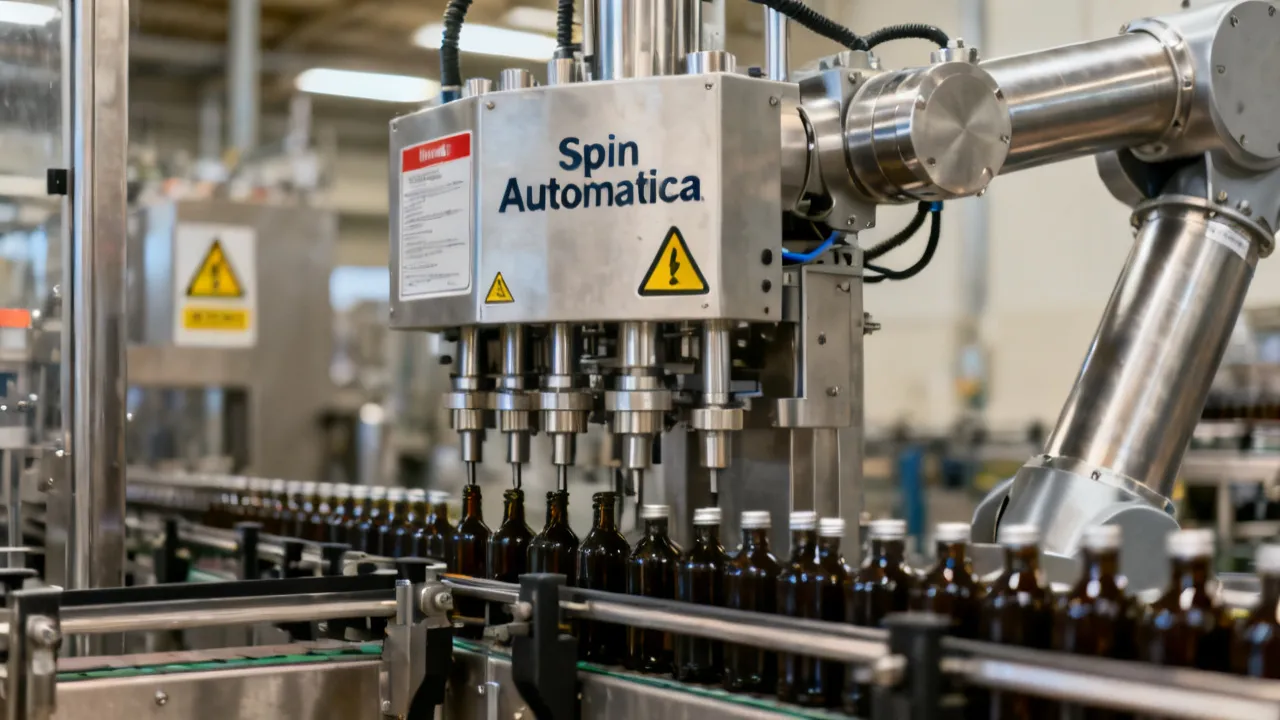
How Spin Automatica Optimizes Industrial Filling Processes
Spin Automatica Guide for Informed Decisions

Spin Automatica: An Expert Guide to Smart Automation

Understanding Spin Automatica for Smarter Slot Choices
Spin Automatica: Expert Guide to Use and Sourcing
Understanding Spin Automatica: Use, Care, and Pricing
Spin Automatica: Industry Guide for Buyers and Operators
This guide explains Spin Automatica and how to evaluate rotary/spin automation solutions for stable production. It provides objective background on what “Spin Automatica” typically refers to in industrial automation contexts, outlines key technical considerations such as throughput, safety controls, and integration points, and offers practical evaluation steps and requirements for procurement decisions.
Spin Automatica Guide for Informed Decisions
This guide explains how “Spin Automatica” is typically evaluated in real operational contexts, from supplier credibility to safety checks and cost planning. Objectively, Spin Automatica is often discussed as an automated spinning experience product, making due diligence crucial. The article covers selection criteria, deployment considerations, and risk controls, with a structured comparison table, a step-by-step checklist, and expert-style FAQs.
Spin Automatica: Expert Guide to Use and Sourcing
Spin Automatica is a specialized automation concept often discussed by operators, technicians, and procurement teams. This guide explains what Spin Automatica typically involves, how suppliers differentiate offerings, and what buyers should check before commissioning or purchasing. It also provides objective sourcing conditions, a comparison table, and practical requirements to support safer decision-making in real production environments.
Understanding Spin Automatica: Use, Care, and Pricing
Spin Automatica is a compact, automation-oriented system concept focused on precise rotational processing and repeatable handling. This guide explains how these systems are typically evaluated—covering operational purpose, integration choices, supplier considerations, and practical price factors—while keeping technical discussion objective and grounded in common industry practices.

Spin Automatica: Expert Guide for Automated Manufacturing
This guide explains Spin Automatica and how automated spinning processes are specified, integrated, and maintained in manufacturing environments. Objectively, it covers what “spin” automation typically refers to in production lines, the quality and safety considerations around repeatable motion, and the practical supplier-evaluation factors used by procurement teams and engineers.
